When Dundee "Broughty" the Ferry
How the City annexed it's former neighbour against its wishes

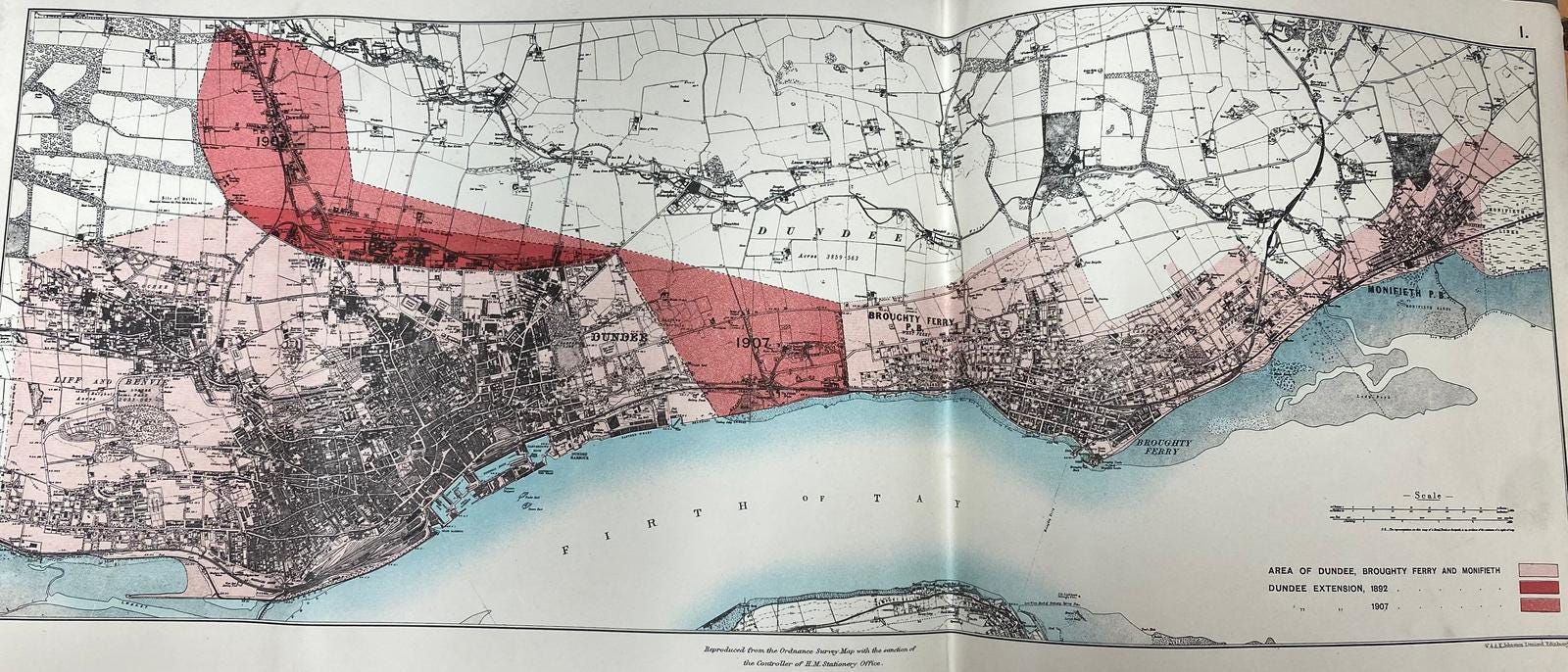
Prior to the outbreak of WWI in July of 1914, a series of annexations took place: Greece annexed Crete, Austria-Hungary annexed Ada Kaleh, and Dundee annexed Broughty Ferry.
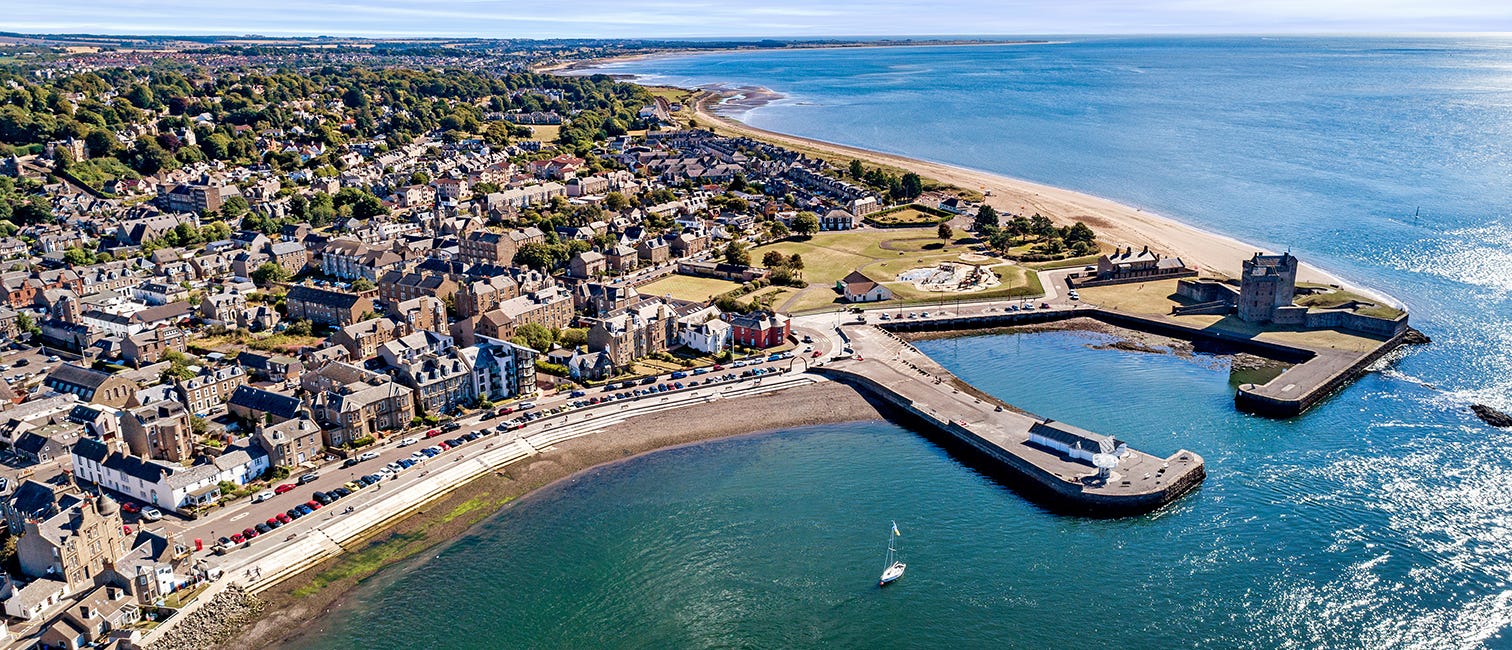
Indeed, ‘annexed’ is a strong word, often paired with a country or power that has forcibly taken over its neighbour. In the case of the ‘Dundee Corporation’, a name which seems to identify the city authorities as a business rather than a council, they were a hostile power from the perspective of the Ferry’s residents.
The Dundee ‘Corporation’ as they are named within the 1913 Minutes, which is one of many record books detailing meetings within the city council chambers, had their eyes set on Broughty Ferry for a long time. They had tried one previous annexation in the 1890s to little effect, and the attempt was criticised as “unreasonable and vexatious.”
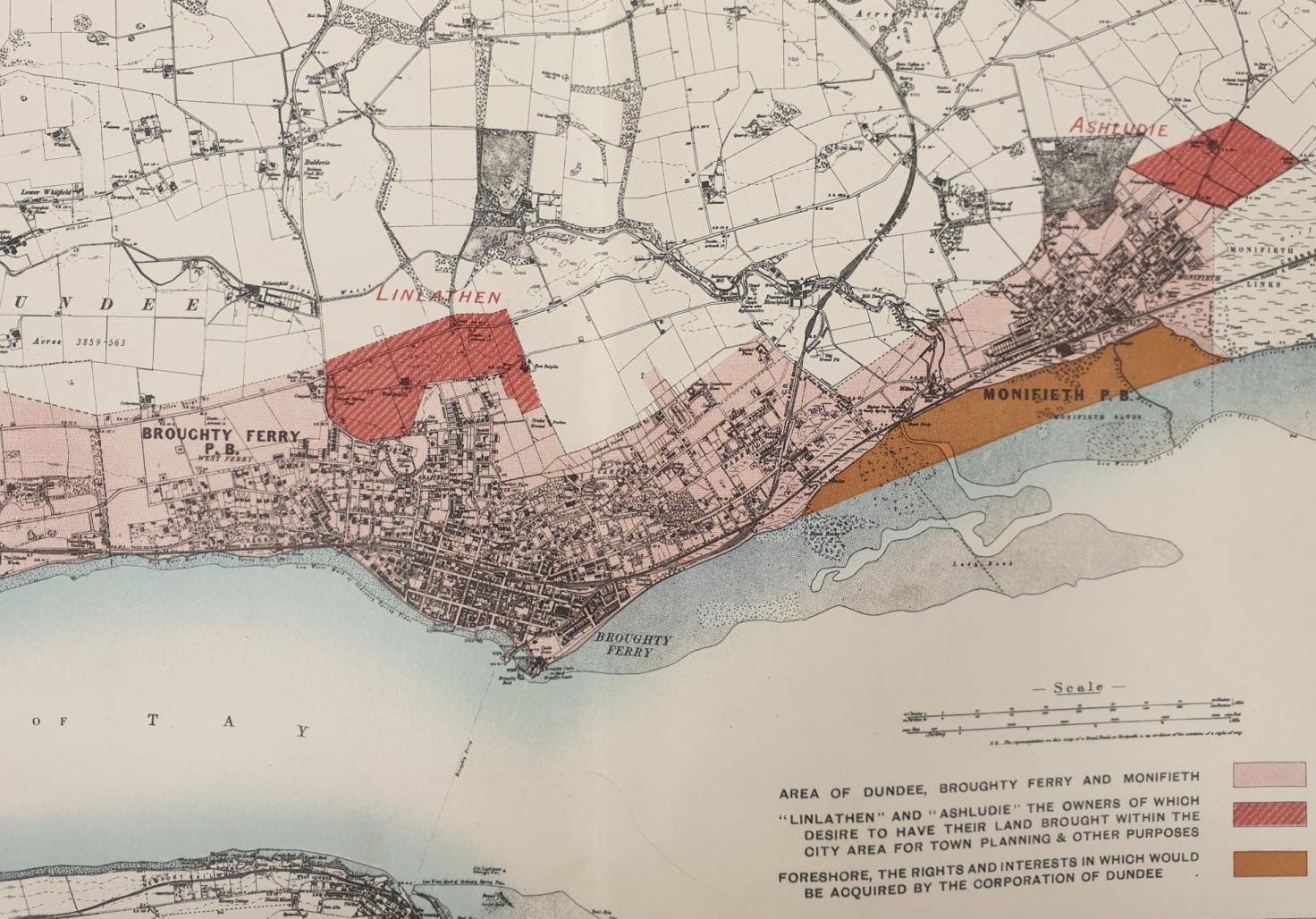
Why Annex the Ferry?
Their reasons for the takeover were simple: those who lived in Broughty Ferry, worked mainly in Dundee, and were using Dundonian services such as the trams and water supply. “By the 20th century many people who lived in places like Broughty Ferry, Monifieth and Newport, and travelled into the town by train, tram or ferry,” writes historian Dr Kenneth Baxter. “This included many businessmen and more affluent citizens. Expanding Dundee to include its surrounds would generate extra income for Dundee via ratepayers.”
The jute industry that had thrived within Dundee for most of the 19th century had created wealth for many who were to become rich ‘jute-barons’. Choosing to distance themselves slightly from the industrial environment, and evidently to avoid paying higher tax rates, some decided to reside within Broughty Ferry. They turned their money into mansions and established what would soon be known as the “richest square-mile in Europe”, within Broughty Ferry.
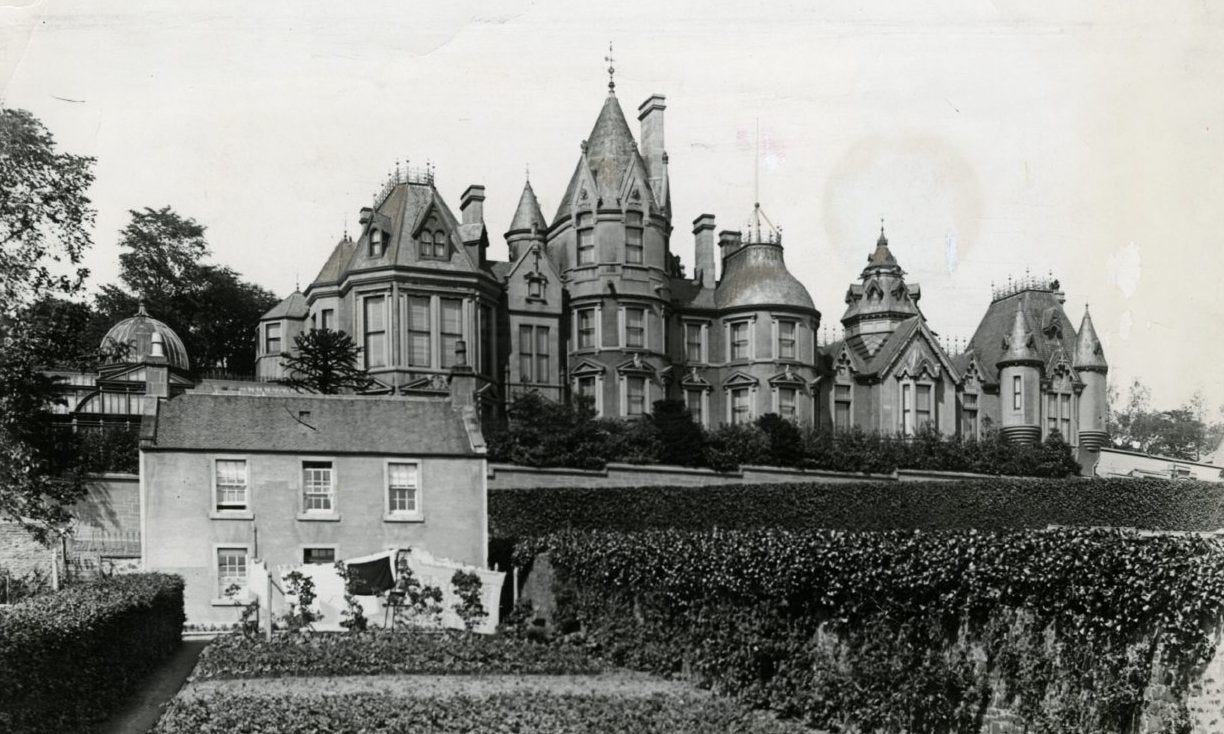
The corporation believed other Dundonian luxuries such as baths, libraries, local parks and even the fire brigade were viewed as taken advantage of by Ferry residents. The corporation believed that the people of Broughty Ferry should pay for these services, and the currency of choice was annexation.
Unanimous Rejection
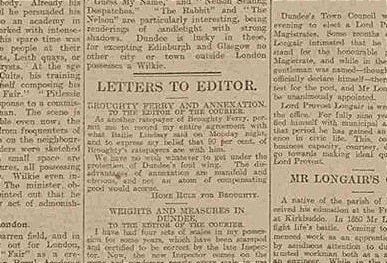
To say that the people of Broughty Ferry were unhappy about this would be an understatement. As one 1905 Ferry resident put plainly to the Courier: “we have no wish whatever to get under the protection of Dundee’s foul wing” (above).
A meeting was held by Broughty Ferry’s Town Council in 1913 to decide on whether the people would desire to be incorporated into Dundee. ‘No’ was the resounding and almost entirely unanimous result of the vote, with the final count recorded as 11-1.
Influence from a Future Prime Minister
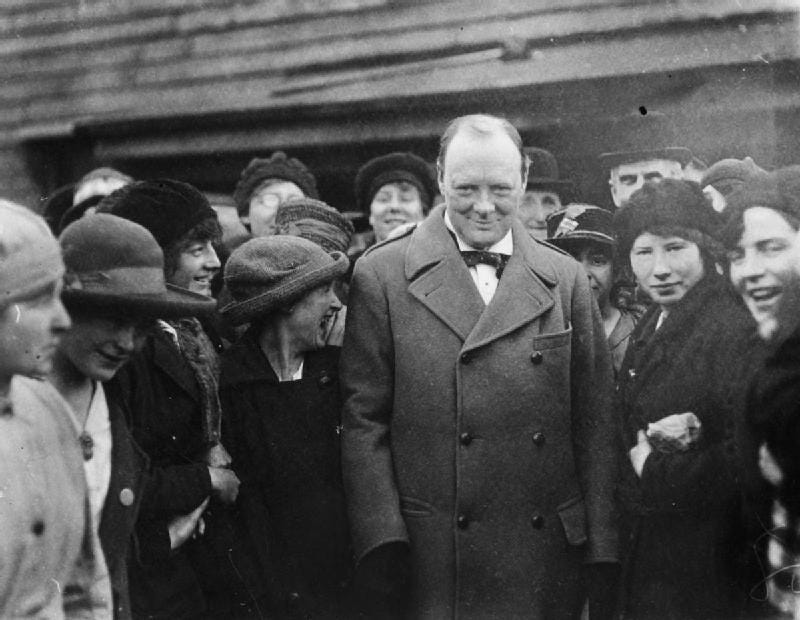
However, there were higher powers in play here. This matter was not simply handled by the councils of Broughty Ferry and Dundee, but a third party was brought in: the House of Commons. Rumoured, and certainly believed at the time to have been somewhat influenced by Dundee MP Winston Churchill, the Commons voted in favour of annexation. And so, on the 5th November 1913, despite widespread disdain, Broughty Ferry was absorbed into the city of Dundee. However, it seems that Dundee may have been taking annexation inspiration from various Scottish ‘corporations.’
Dundee Aimed Further than the Ferry
“Other cities were expanding by taking in areas that had grown up on their boundaries,” continues Dr. Baxter, “it has to be said Dundee, then Scotland's third city, did less well out of annexation than the larger Edinburgh and Glasgow. In 1912 Glasgow greatly expanded including taking in the large burghs of Govan and Partick. In 1920 Edinburgh also massively increased in area when it gained Leith, one of Scotland's largest towns, as well several smaller places around it including Crammond, Colinton and Liberton. It had previously gained Portobello in the 1890s.”
Certainly Dundee could have expanded its border further like Edinburgh and Glasgow had, as the small town of Monifieth was also included within the 1913 Dundee Boundaries Act. Much of the same reasons the Dundee corporation used to argue for Broughty Ferry were given to annex its neighbouring town, but these proved fruitless. A main counter-point was that Monifieth had no connection with the jute industry, and another was that Monifieth’s residents rarely used the Dundee tram system, despite a tramline running through the high street. The Lord Provost of Monifieth, James Felton, highlighted that the tram was costly at “fourpence each way” and, like the buses from Monifieth today, took “40 minutes” to get into Dundee. In solidarity with the people of Broughty Ferry, the people of Monifieth did not want to be a part of Dundee either, and when the annexation worked only with the former and not the latter, it seemed at this time that Monifieth had won their fight. But as the years went by, public opinion seemed to change somewhat.
“In January 1919 a Monifieth delegation, on hearing Dundee planned to try to annex Tayport and Newport, encouraged Dundee Town Council to again look at annexing Monifieth, stating opinion on the matter had changed. The Council seemed sceptical, and Monifieth Town Council did not express any interest in meeting with Dundee councillors. In March Dundee Town Council decided it was not worth pursuing the matter.
“There was also a political dimension to the annexation, particularly as time went on. In the 1920s local elections became far more party affairs than they had ever been before. In Dundee the Moderates (a "non-party" organisation backed by the Municipal Electors Association that was in practice a mix of Liberals and Conservatives) fought it out with Labour for control of the city. Broughty Ferry was a huge advantage for the Moderates as it was guaranteed two wards (and thus six councillors) and Labour had little hope of winning elections in these wards. Indeed it was only when a 12th Ward was created by splitting parts of wards 5 and 7 that Labour was able to take control of the Council for the first time in 1935.”
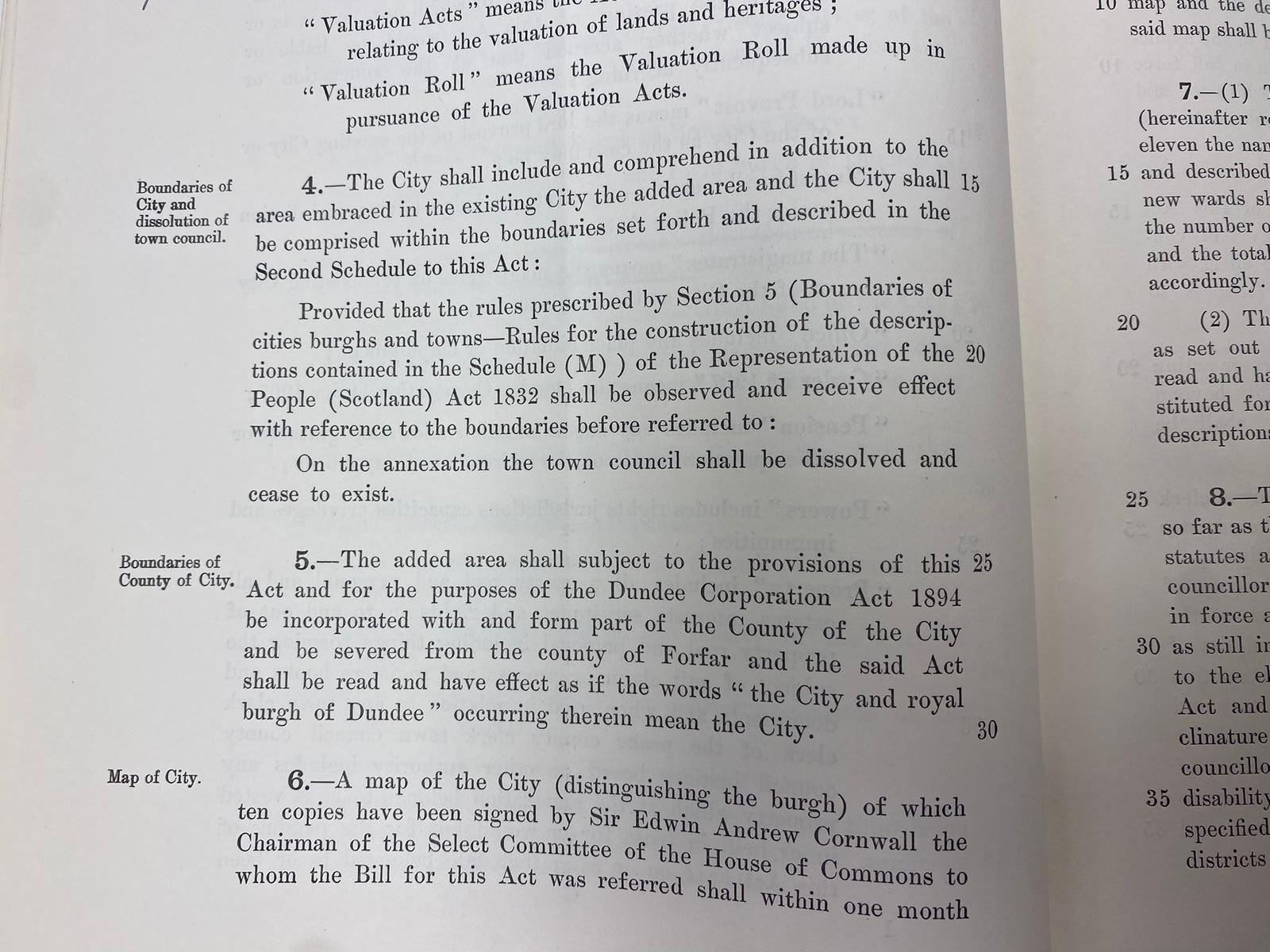
Losing its autonomy to Dundee, Broughty Ferry lost its local government functions; the Town Council was dissolved, all its Acts repealed, and its magistrate buildings taken.
Broughty Ferry has now been synonymous with Dundee for 112 years, and the days of annexation seem to be over for Dundee. Monifieth became a part of the Dundee District from 1975 but was taken back by Angus in 1996.
“There have been periodic suggestions that Dundee would like it back, but nothing has come of this and there has been opposition from Monifieth. There is of course the anomaly that in North and South Balmossie Street opposite sides of the road are in different councils.”